Panel Discussion Review: Business Development Strategies & Approaches
Whether a professional services firm specializes in design or construction, custom furniture, lighting, landscape or structural engineering, their business development leaders face many of the same questions. What is the best way to find and retain clients? What can be done to maintain relationships even after a project is complete? How to integrate the mission of business development into other parts of the business workflow? What software best facilitates these processes?
These issues are discussed behind closed doors every day, but a recent Brick & Wonder Member Workshop gave leading voices in the built industry a chance to share strategies and approaches together, with other Brick & Wonder members present and participating. Above all, the three panelists stressed the importance of developing open, collaborative relationships, wherever possible.
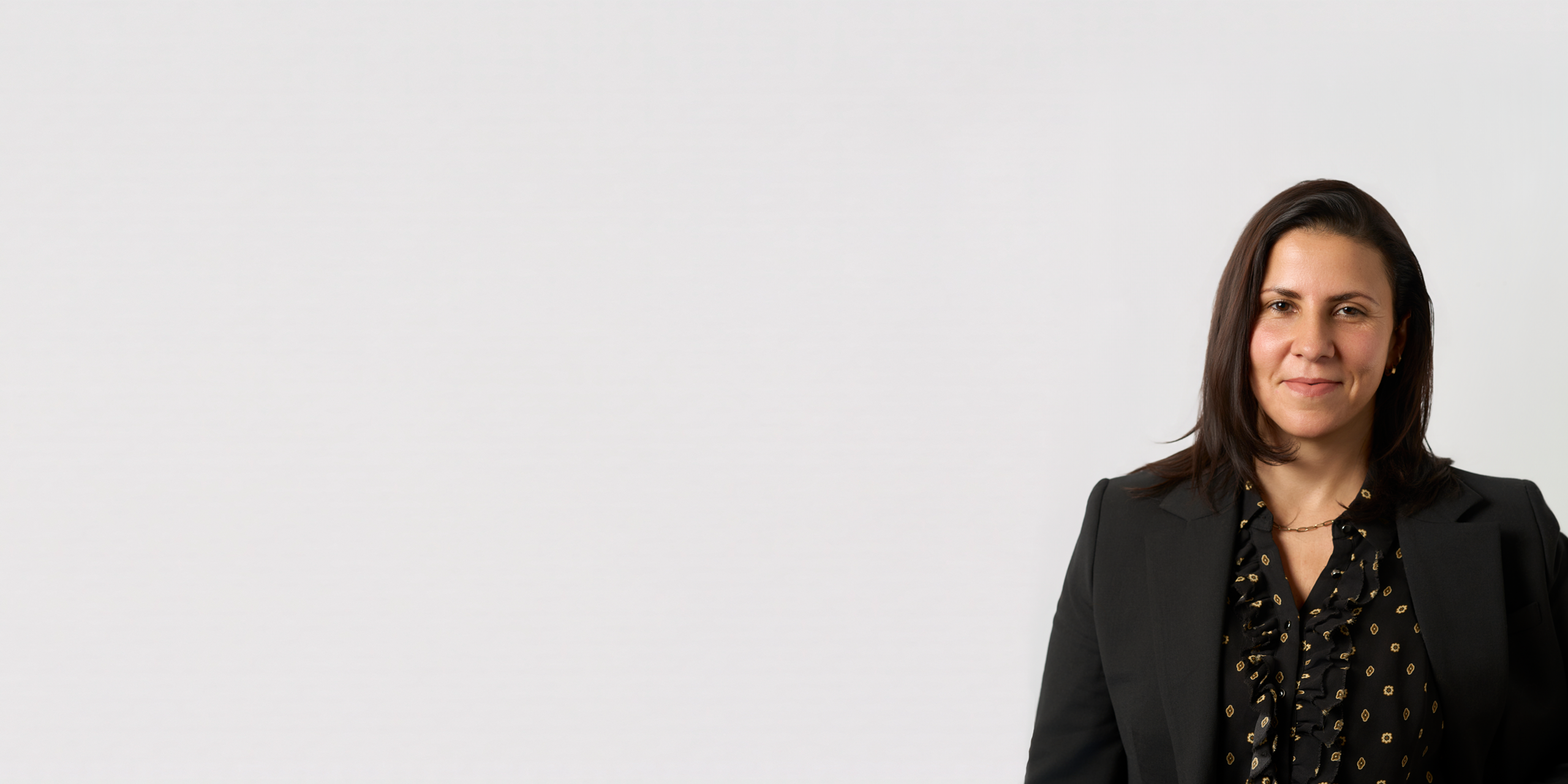
“I really try to create small intentional moments of connection,” said Olivia Schaeffer, who leads US growth at the lighting design company PSLab. Schaeffer loves to connect people she knows who work in different disciplines, and she often invites potential collaborators and clients to drinks, dinner, or visits to PSLabs’s international outposts. “I’m also very comfortable asking for support, whether it’s meaningful referrals, introductions in a new city, even cohosting small gatherings.”
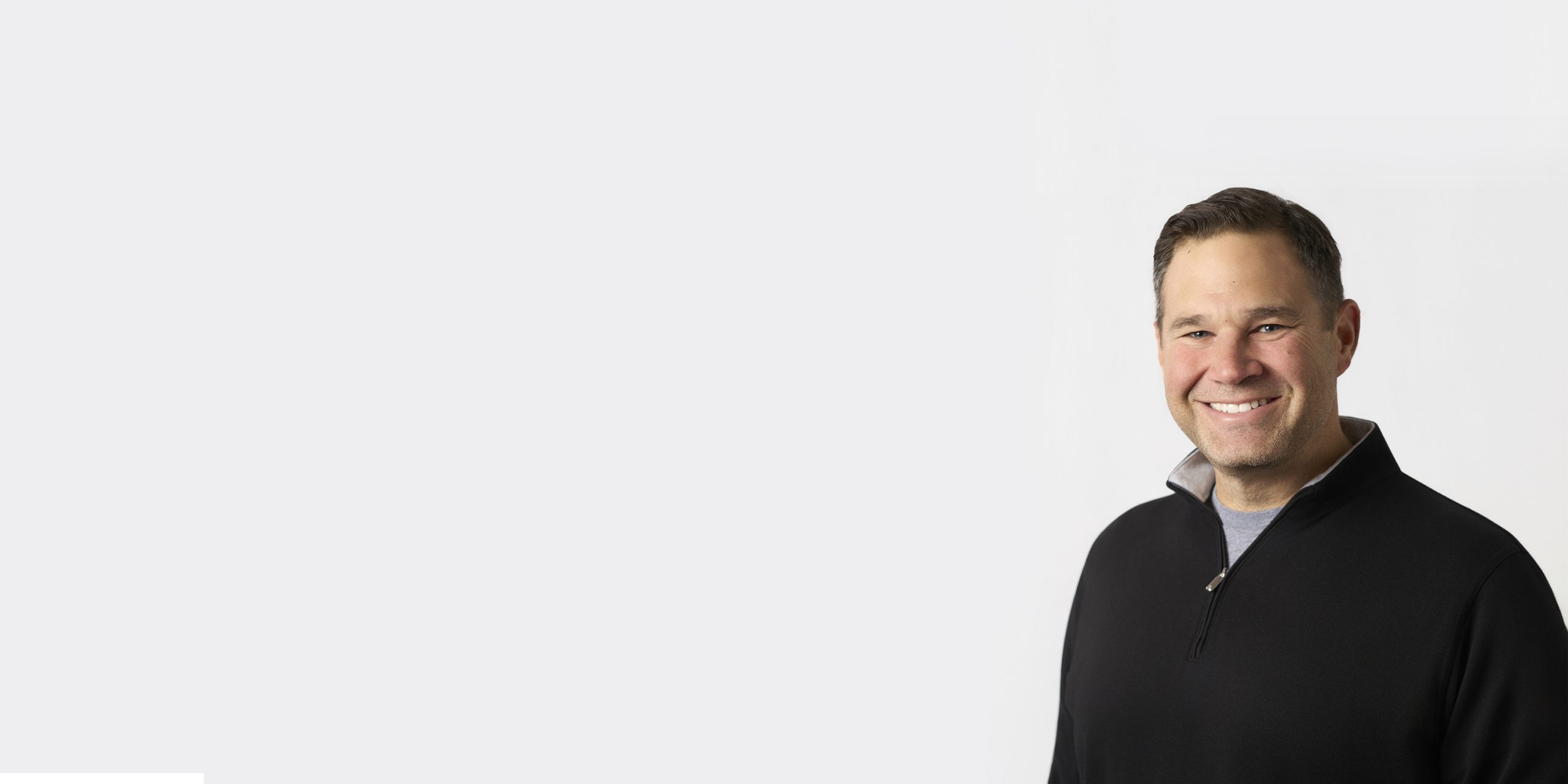
Jonah Kaplan, Workshop/APD‘s Principal of Business Development, shared the concept of “active listening,” an important practice at his firm. Kaplan looks for clients that display curiosity and show a willingness to take time for meetings. Then, in the room with a client, he pays attention not just to their words but also their eyes, looking to find the things that really make them excited.
Bringing In Team Members
“I tell everyone that bizdev is a team sport,” Kaplan said. But what does this look like in practice?
Victor Mezhvinsky, the founder of FORMA Construction, shared an approach his company has implemented to encourage employees to get more involved: Every month, his employees get a $50 stipend that they can use to take someone in the field out to coffee. “A lot of us tend to focus on the principals of other businesses,” he explained. “But to be honest, the principals of other businesses are focusing on what we’re doing: trying to get other business. Really, it’s the estimator at a contracting company that has more say.”
The hard part is to make this relationship-building a core part of a firm’s culture. But that’s also the goal. At Workshop/APD, Kaplan has found that many on the design side underestimate the size of their networks. Those team members may not know many billionaires who could become large-scale clients, but they have plenty of other connections that could prove useful. Old friends from architecture school, fabricators, vendors, even a city official who once helped secure a permit: all could help both in establishing new relationships and keeping existing relationships on firm footing.
Storytelling
When Schaeffer meets a potential client, she doesn’t necessarily ask what they are looking for in a potential lighting partner. Rather, she asks to hear about projects the client is proud of, and what makes those projects successful beyond what is visible in photos. The goal is to hear what the client values most and then to frame PSLab’s work around that.
To do this successfully, it’s necessary that a firm must have a clear understanding of its own mission, and it must empower its staff to communicate that. This aspect of business development, storytelling, was emphasized by all three panelists and a subject of further conversation in the Q&A.
“One of most transformational things that happened at FORMA was [reaching] significant, real clarity around what we do, who we are, what makes us different, and getting people to tell that story,” said Mezhvinsky. “Our mission is to be the most well-respected partner for complex and detailed for residential construction projects.”
Mezhvinsky admitted that when he and his team first came up with this mission statement, it felt a little cheesy. However, it quickly became clear that the company needed to understand its own identity if they were going to effectively pitch their work to potential partners.
Watch the full workshop below:
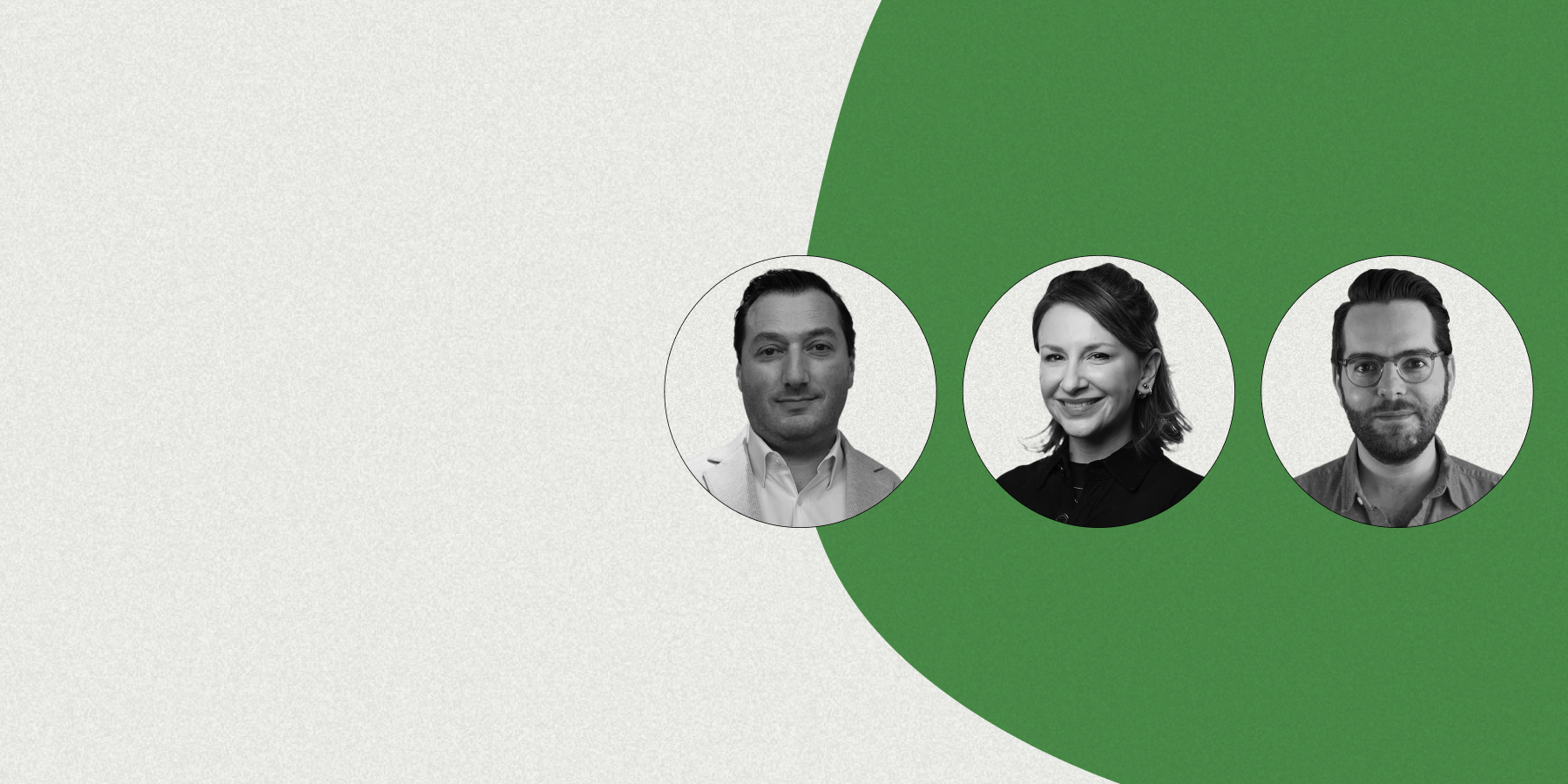
Thank you to our workshop panelists:
Victor Mezhvinsky, Founder, FORMA Construction
Olivia Schaeffer, Lead Communicator, USA, PSLab
Jonah Kaplan, Principal, Business Development, Workshop / APD